Our Products

Coffee

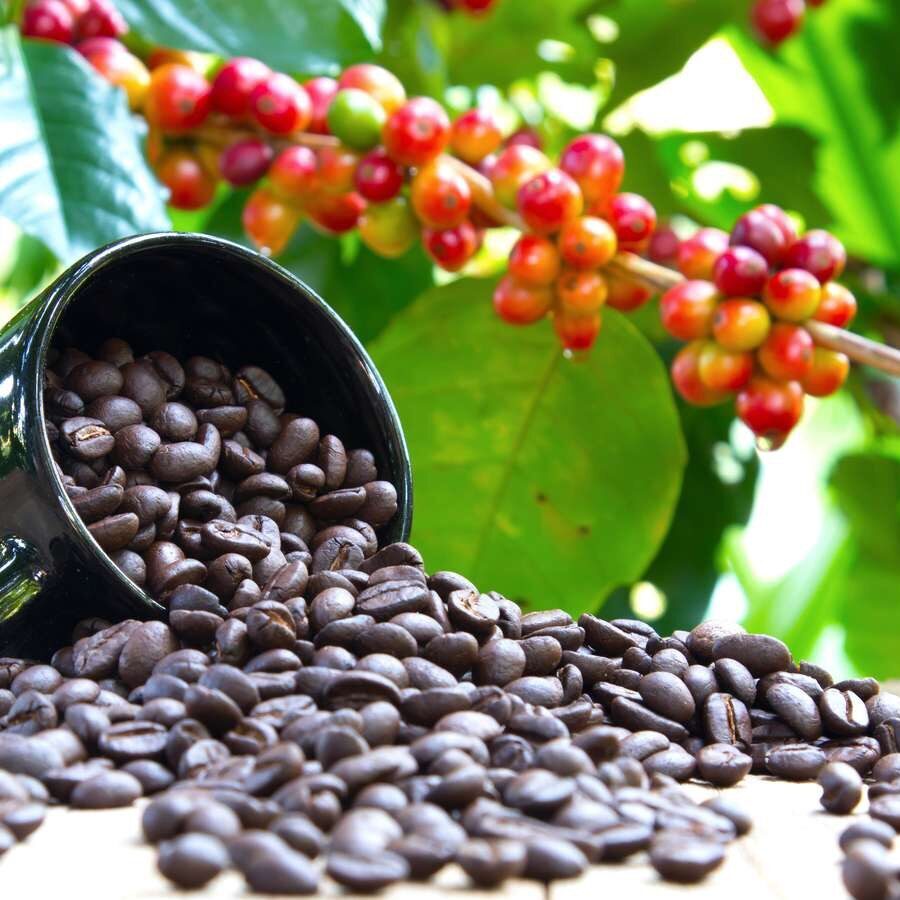
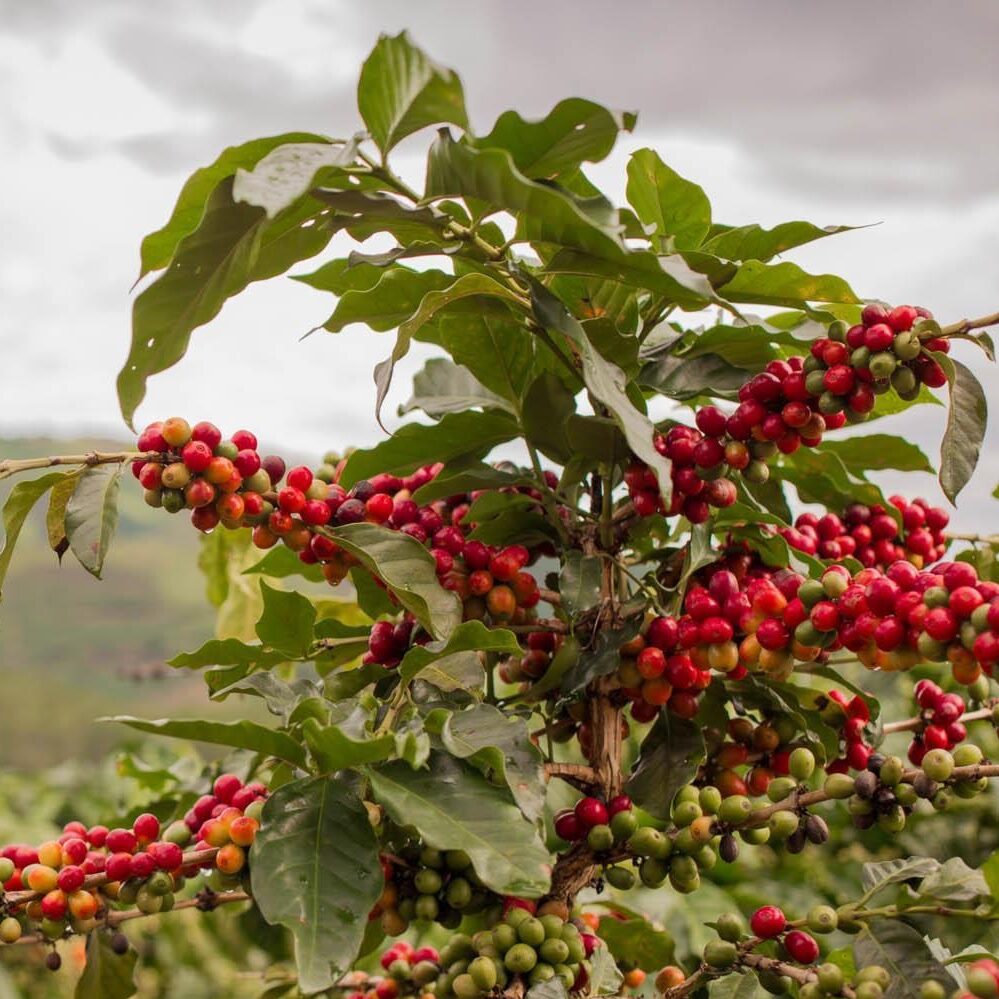
Coffee production in Ethiopia is a longstanding tradition which dates back dozens of centuries. Ethiopia is where Coffea
arabica, the coffee plant, originates.

According to legends, the 9th-century goatherder Kaldi in the region of Kaffa discovered the coffee plant after noticing the energizing effect the plant had on his flock, but the story did not appear in writing until 1671. The word coffee drives from Kaffa, name of a place in the Southwestern Ethiopian highlands where coffee was first discovered. As such, coffee production is beyond a business in Ethiopia, its culture.

Ethiopian coffee is rich with original flavor and aroma because of the geographical (altitude, soil, temperature, rainfall, topography, ecology), genotypic and cultural variety within the country. Coffee has been growing in Ethiopia for thousands of years, in the forests of southwestern highlands.

We source our coffees from different regions in Ethiopia – Sidamo, Guji, Yirgacheffe, Limmu, Bale, Harar, Djimma, Nekemte, Keffa.

Jajiste has been exporting Ethiopia coffee to Italy, Japan, and the United States that have been recognized for their district taste profile and characteristics. We only supply coffee that has a world-class quality rating that will produce the best cups of coffee in the world.

Let’s talk numbers

• Ethiopia produced 584,790 MT coffee 2022
• Ethiopia’s total Coffee production increased from 416,400 MT in 2016 to 584,790 MT in 2022
• Ethiopia’s area under coffee cultivation from 2016 – 2021 increased from 529,000 ha to 540,000 ha
• Around 10 million households in Ethiopia cultivate coffee
• Jajiste is directly working with 8 coffee cooperatives and 2 coffee unions

Spices

Ethiopia has favourable or conducive environments for various spices production due to the presence of varied climatic and agro-ecological conditions, abundant cultivable and irrigable land, with encouraging government policy environment.

Ethiopia produces more than 50 spices from the 109 spices listed by the International Organization for Standardization (ISO).  Next to coffee, the Ethiopian spices are among one of the critical components of the agricultural sector contributing to high foreign exchange revenue and hence due attention has been given by farmers, and policy makers for it to make it to the global arena.

We source our spices from Southwestern Ethiopia, the home of Ethiopian spices. The area is the main producer of ginger, turmeric and black cardamom, primarily in Kaffa Zone, Bench Maji Zone and Gedeo Zone. Oromia Region (especially Illubabor Zone) is chiefly responsible for the production of chilies and black cumin.

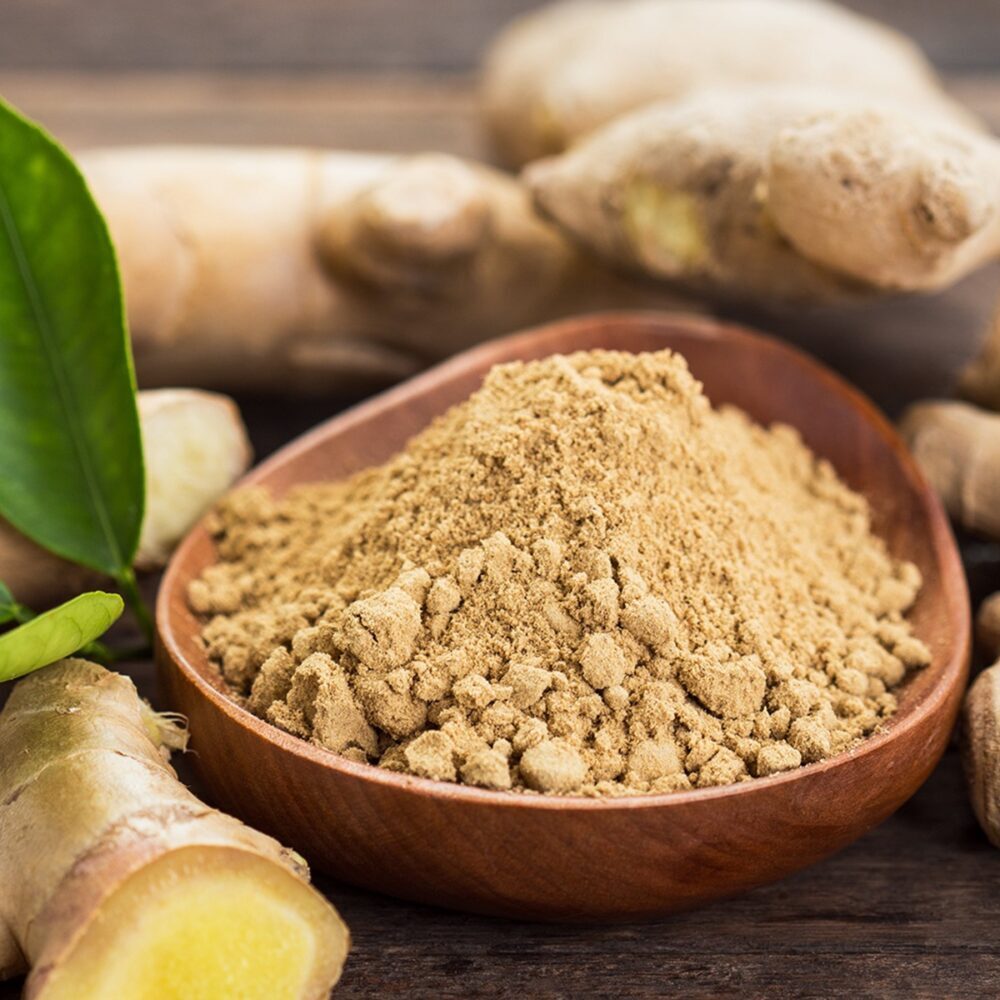
Ginger

Jajiste sources ginger predominantly in the lowlands of southwestern Ethiopia. The soil characteristics, the right amount of rainfall, the experience of the farmers, and the right altitude makes the location ideal for ginger production.
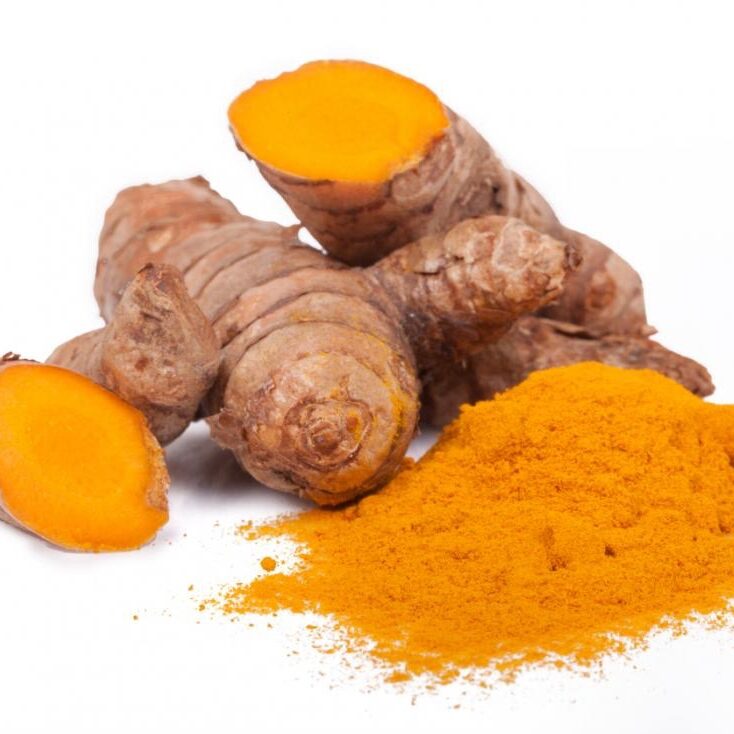
Turmeric

Jajiste sources turmeric predominantly in the lowlands of southwestern Ethiopia. The soil characteristics, the right amount of rainfall, the experience of the farmers, and the right altitude makes the location ideal for turmeric production.
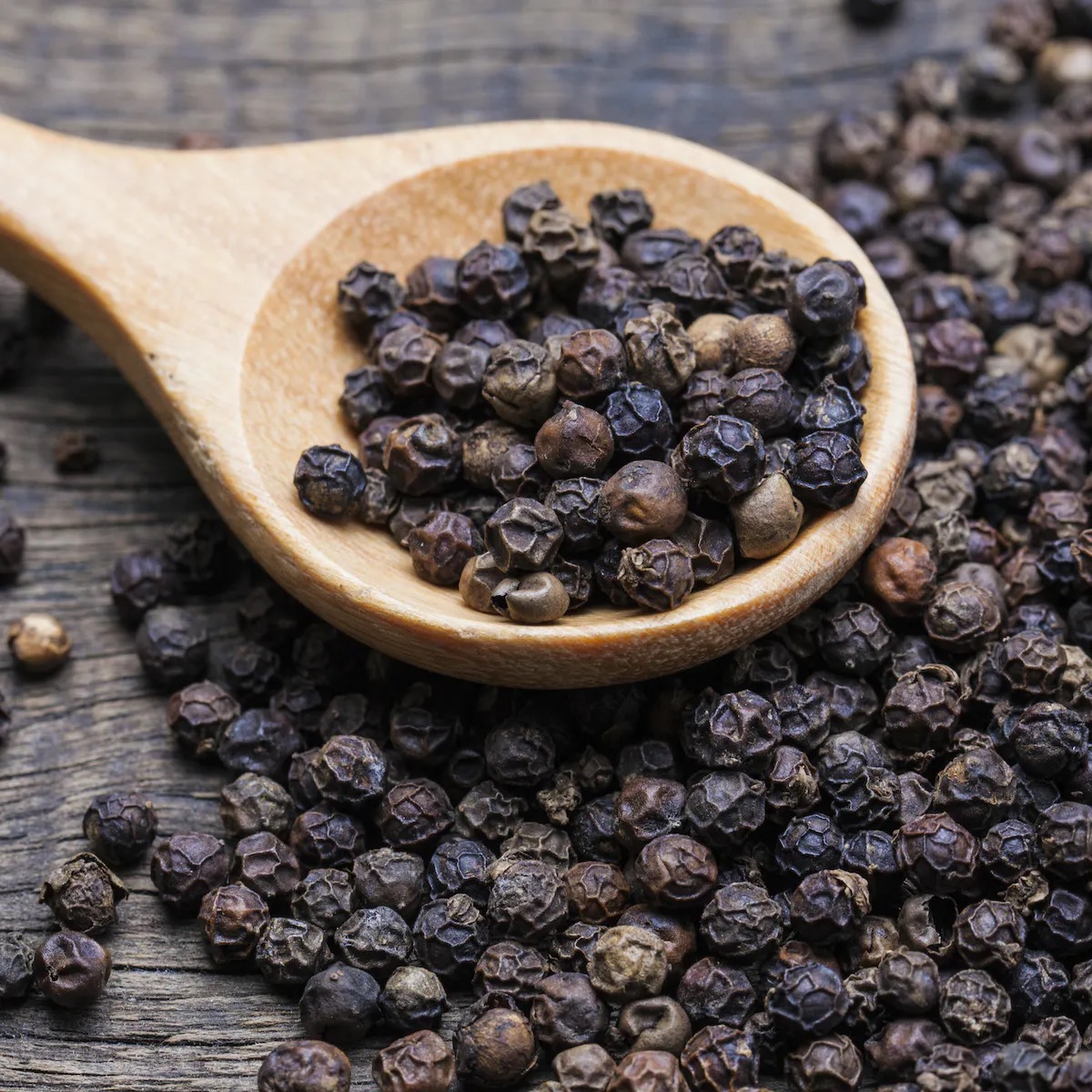
Black Pepper

Jajiste sources black pepper in the southwestern part of the country at a wide range of altitudes, from 1,500 m to the lowlands, and where rainfall is high throughout the year.

Let’s talk numbers


• Chilies, turmeric, ginger, and black pepper are the main spices produced in the hills, and dense forests of Ethiopia

• Ethiopia’s total Spice production increased from 234,000 MT in 2013 to 450,000 MT in 2021

• Ethiopia’s area under spice cultivation from 2013 – 2021 increased from 150,000 ha to 300,000 ha

• Around 1.1 million households in Ethiopia cultivate spice and 40,470 Farmers just in Southwestern Ethiopia

• More than 13,000 engaged by Jajiste across 63 districts in Southwestern Ethiopia

Get In Touch
Follow Us

Send us a message

Let’s keep in touch!